
Early detection leads to simpler treatment. Recognize these symptoms and act quickly.
Persistent or throbbing pain that doesn't go away, especially when biting or applying pressure.
Lingering sharp pain when consuming hot or cold foods and beverages.
Redness, swelling, or tenderness in the gum area near the affected tooth.
Visible cracks, chips, or extensive decay that has reached the inner tooth pulp.
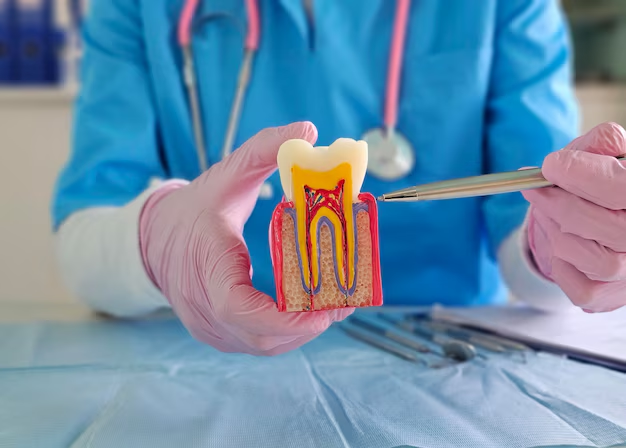
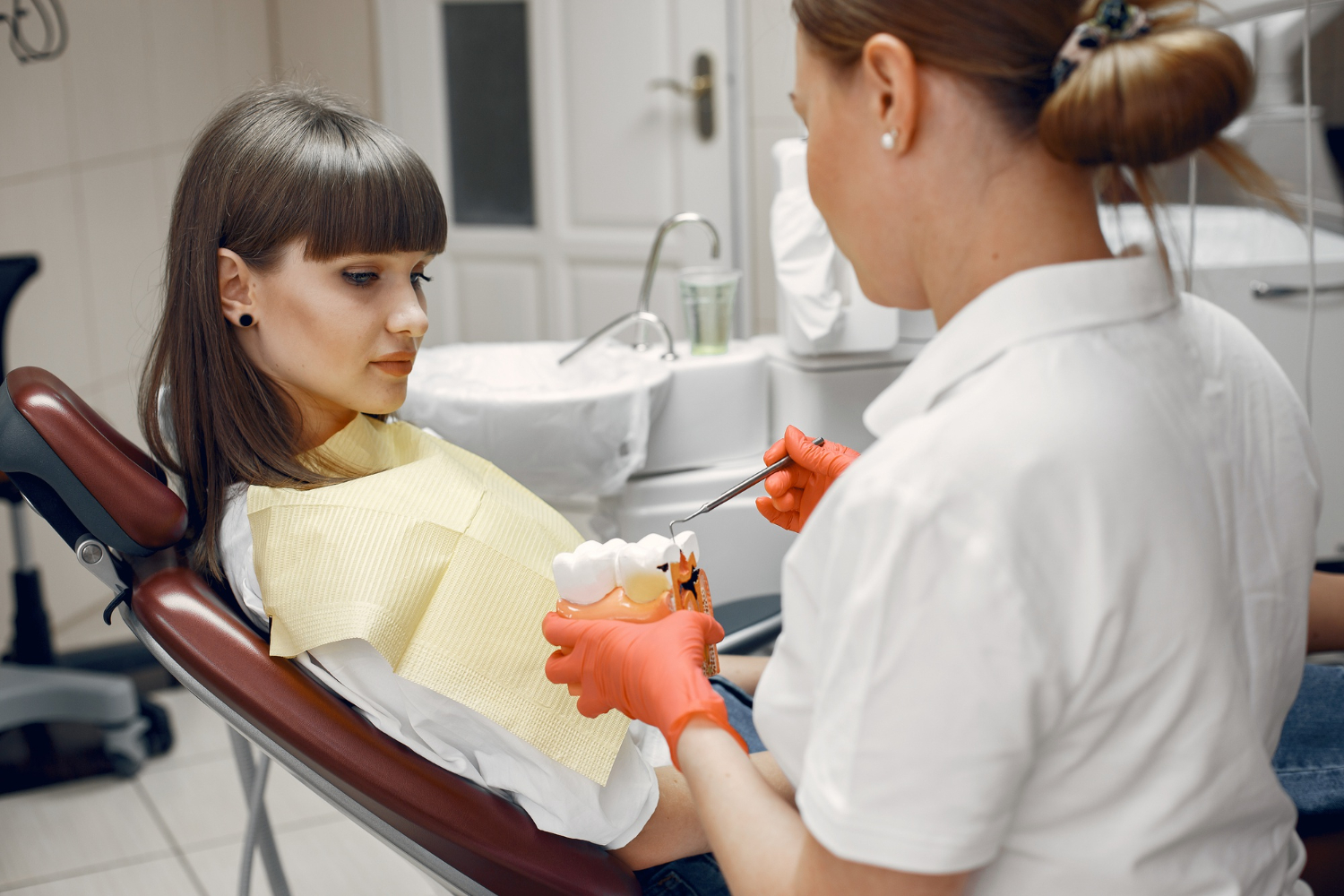
From diagnosis to restored smile — here’s exactly what to expect at every stage.
We use digital imaging to precisely locate the infection and plan your treatment.
The area is completely numbed so you stay comfortable throughout the procedure.
Our dentist gently removes all infected pulp tissue from the tooth's interior.
The canal is meticulously cleaned, shaped, and sealed with biocompatible material.
A durable dental crown is placed if needed to restore full function and appearance.
Years of specialized training in endodontics and root canal therapy.
Digital X-rays, 3D imaging, and precision rotary instruments.
Gentle techniques and sedation options for anxiety-free care.
Morning, evening, and Saturday appointments available.
Same-day appointments for urgent tooth pain and infections.
We listen, explain, and involve you in every treatment decision.

If you experience any of these symptoms, your dentist will most likely recommend non-surgical treatment to eliminate the diseased pulp. This injured pulp is removed and the root canal system is thoroughly cleaned and sealed. This therapy usually involves local anesthesia and may be completed in one or more visits depending on the treatment required. Success for this type of treatment occurs in about 90% of cases. If your tooth is not amenable to endodontic treatment or the chance of success is unfavorable, you will be informed at the time of consultation or when a complication becomes evident during or after treatment. We use local anesthesia to eliminate discomfort. In addition, we will provide nitrous oxide analgesia if indicated. You will be able to drive home after your treatment, and you probably will be comfortable returning to your normal routine.
When your root canal therapy has been completed, a record of your treatment will be sent to your restorative dentist. You should contact their office for a follow-up restoration within a few weeks of completion at our office. Your restorative dentist will decide on what type of restoration is necessary to protect your tooth. It is rare for endodontic patients to experience complications after routine endodontic treatment or microsurgery. If a problem does occur, however, we are available at all times to respond. To prevent further decay, continue to practice good dental hygiene.
Call us at 360-695-5555 to schedule an appointment.
We also offer free consultation for dental implants and dentures. Certain restrictions apply. Cannot be combined with any other offer. Please call our office for details.